The Sea Pulls—Know How to Return

🌊 Rip Currents: What You Need to Know

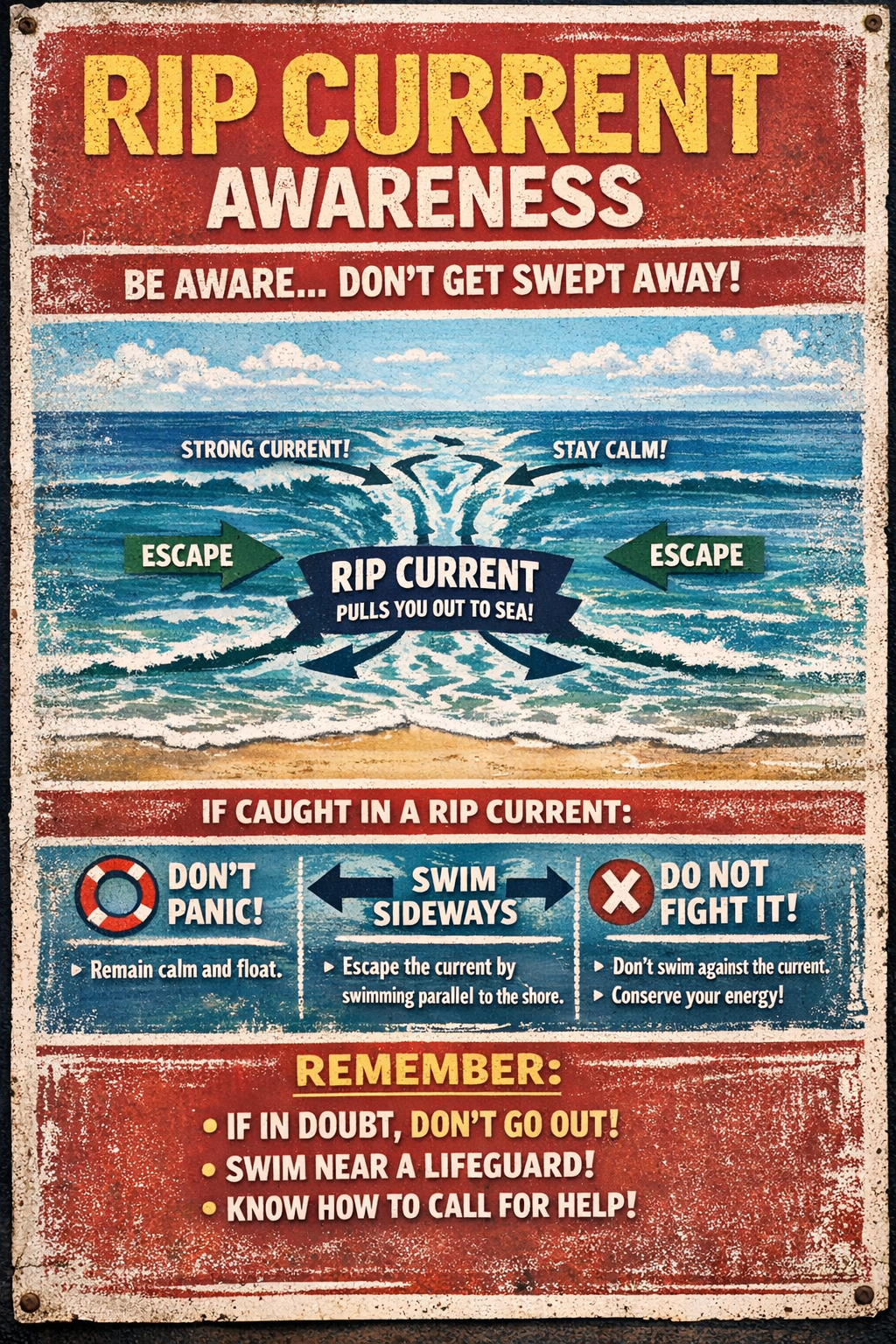
Rip currents are powerful, narrow channels of water that flow away from the shore. They often form near sandbars, jetties, or piers and can pull even strong swimmers out to sea in seconds.

How to Spot a Rip Current

• Look for gaps in breaking waves

• Notice darker, calmer water between wave zones

• Watch for foam or debris moving seaward

---

🚨 What to Do If Caught in a Rip Current

Action Why It Matters

Stay Calm Panic wastes energy and makes it harder to float

Float or tread water Conserves energy while you assess your options

Don’t fight the current Swimming against it leads to exhaustion

Swim parallel to shore Escape the current by moving sideways

Wave and shout for help Signal lifeguards or nearby surfers

---

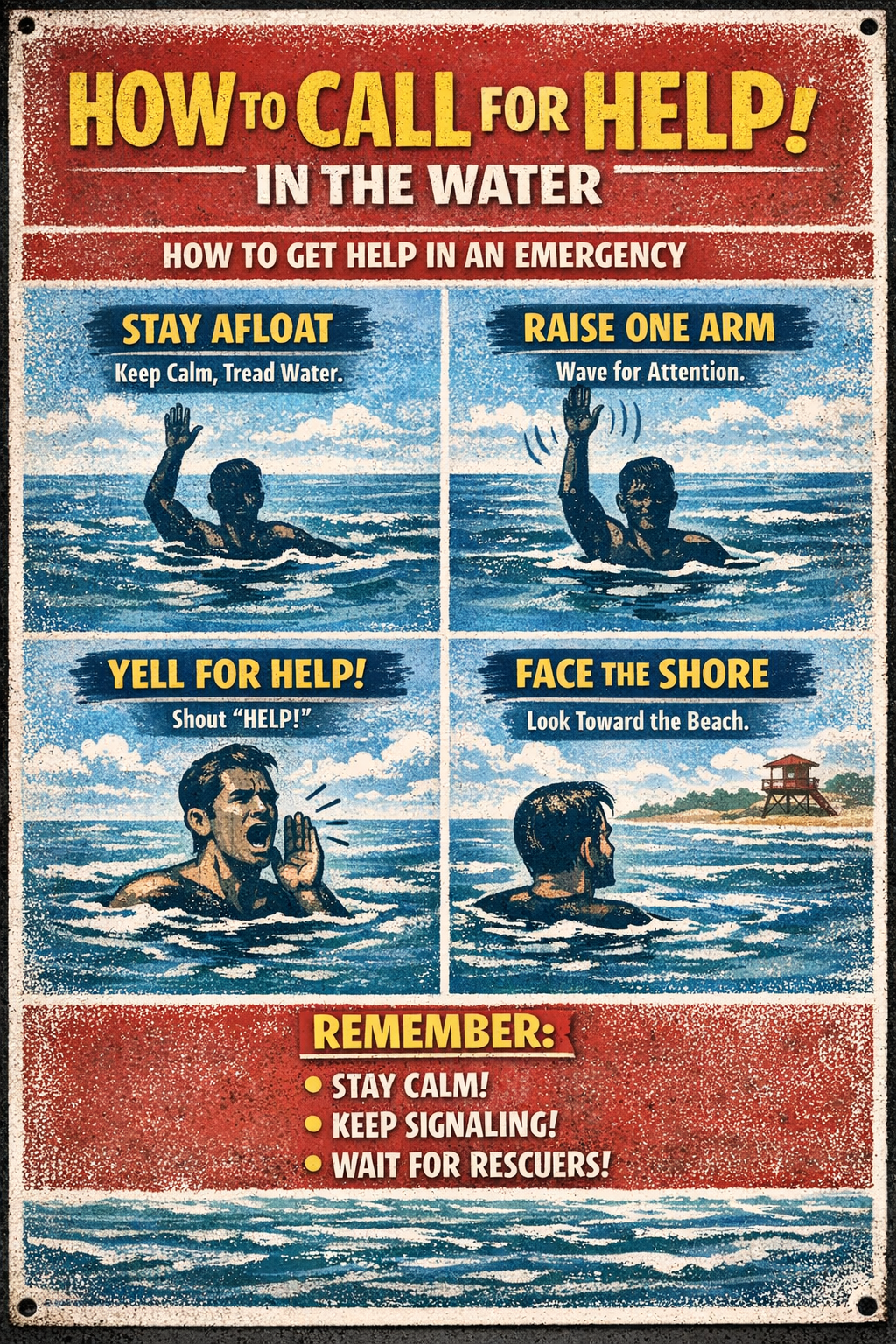
🛟 How to Signal for Help in the Water

• ✋ Raise one arm and wave

• 📣 Yell “HELP!” clearly

• 👀 Face the shore and keep signaling

• 📱 Use a whistle or waterproof radio if available

---

🌴 Stewardship Starts with Awareness

At Lola Sayong, we believe safety is part of the ritual. Our signage, surf lessons, and community briefings include rip current education—because every guest is part of our coastal kinship.

Before entering the water:

• Check surf conditions and tide charts

• Swim with a buddy or near a lifeguard

• Know your limits—if in doubt, don’t go out
THE COMFORT PARADOX

Hygiene, Convenience, and the Hidden Cost of Comfort

We often speak of loving nature—posting photos of beaches, mountains, and sunsets. Yet, our choices tell another story. Hygiene, convenience, and comfort dominate our daily rituals, and now even the places we build our homes reflect this paradox.

The View We Take for Granted

We crave dwellings with “the perfect view”—a house by the sea, a cabin on the cliff, a resort tucked into the forest. But every time we bend buffer zones or ignore ecological mandates, we scar the very landscapes we claim to love. The shoreline erodes, mangroves vanish, and the fragile ecosystems that once gave us beauty are pushed to the brink. What was once a sanctuary becomes a spectacle, stripped of its soul.

Hygiene, Comfort, and the Cost of Place

Our pursuit of sanitized living—air-conditioned rooms, endless water supply, disposable amenities—often requires carving into spaces that should remain untouched. The irony is sharp: we build to be closer to nature, yet in doing so, we dismantle the natural systems that sustain us.

Science as a Warning We Ignore

Buffer zones, environmental impact assessments, and conservation mandates are not bureaucratic hurdles—they are science’s way of protecting balance. When we bend these rules for convenience or profit, we gamble with floods, landslides, and biodiversity loss. Ignoring science doesn’t just harm the environment; it endangers our own safety and future.

Loving the Spot Means Leaving It Whole

To truly love a place is to let it breathe. It means respecting the mangroves that shield the coast, the forests that cradle the rivers, and the invisible boundaries that keep ecosystems alive. Comfort and beauty can coexist with stewardship—but only if we choose designs and lifestyles that honor the land instead of consuming it.

Reflection

So when someone says, “Don’t talk to me about the environment when you prioritize hygiene, convenience, and comfort,” remember: it’s not just about the soap you use or the air conditioner you run. It’s about where you build, how you dwell, and whether your love for a view translates into care for the land beneath it. Stewardship is not sacrifice—it is the deepest form of comfort, because it ensures the places we cherish will still be here tomorrow.

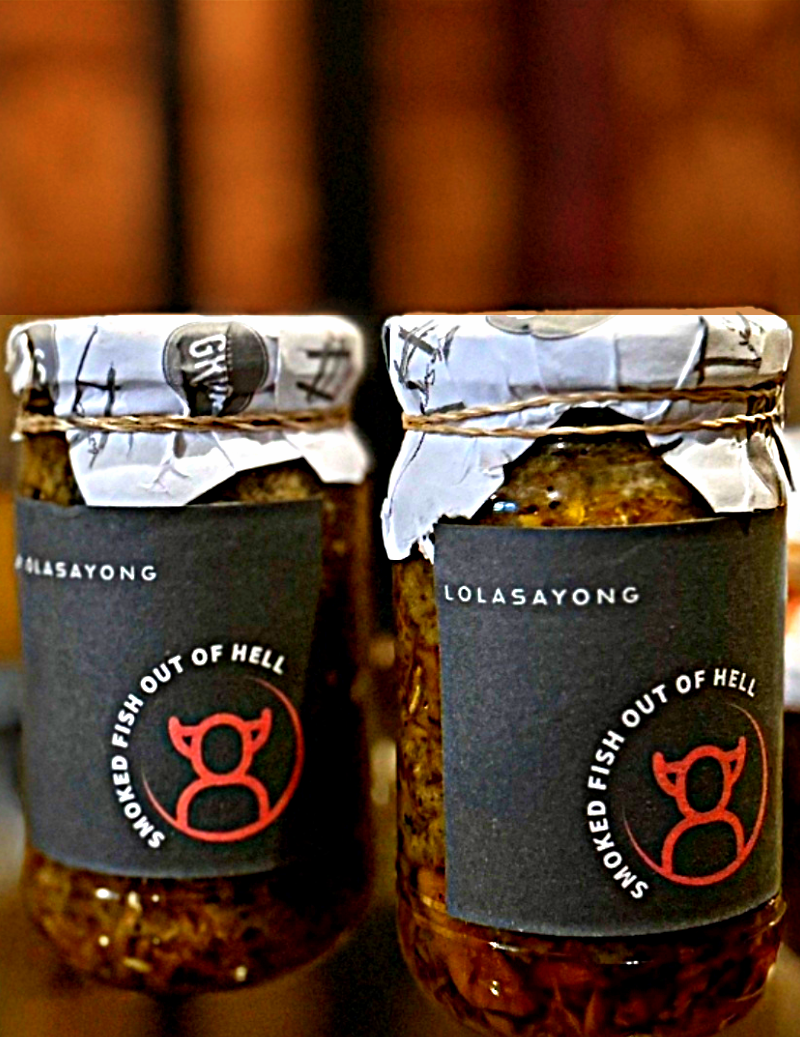
SMOKED FISH OUT OF HELL

HEIRLOOM BITES

This isn’t your average tinapa or daing. This is fish that’s been dragged through fire, fury, and flavor, then resurrected with a vengeance.

A dish born from hunger, surf, and love.

This dish isn’t just a recipe. It’s a ritual. Born from the raw edge of beach life, where the only thing hotter than the sun is the craving that hits after hours of paddling, hosting, and dreaming. Here’s how it lives and breathes:

At Lola Sayong, food is more than nourishment — it’s ritual, memory, and community. Our signature dish, Smoked Fish Out of Hell, carries the fiery spirit of our founders. After long days of surfing and hosting, when hunger felt almost hellish, this was the only dish they cooked to bring comfort, laughter, and kinship by the shore.

The Soul of the Dish

• Locally smoked tinapa — bold, briny, and deeply Filipino.

• Fermented native vinegar — sharp and soulful, aged with patience.

• Coconut milk — creamy, soothing, and grounding.

• Spice levels — from gentle ember to blazing inferno, tailored to your courage.

• Cooked with love — every simmer is a tribute to community and survival.


More Than a Meal

Smoked Fish Out of Hell is a reminder of resilience, joy, and the power of sharing. It’s the taste of Lola Sayong’s beginnings — a dish that rescued us from hunger and became a legend by the waves.

Come hungry. Leave with a story.

Choose Your Adventure

Smoked Fish Out of Hell can be enjoyed in many ways. Pick your favorite:

• Classic Comfort → With rice, soaking up every drop of coconut milk and spice.

• Beachside Pulutan → Pair with a cold drink, perfect for stories under the stars.

• Morning Surprise → Spread on pandesal or bread for a smoky breakfast kick.

• Fiery Fusion → Tossed with pasta for a bold twist.

• Green Balance → Poured over steamed vegetables or grilled eggplant.

• Straight from the Pot → Because sometimes hunger demands no ceremony.

INTERACTIVE HEAT LEVELS

How brave are you today?

• Gentle Ember — mild warmth, perfect for beginners.

• Surfboard Blaze — medium fire, keeps you paddling.

• Inferno Wave — full burn, only for the fearless.


WHY “OUT OF HELL”

Because it rescues you — from exhaustion, from emptiness, from the kind of hunger that only the ocean can summon.

Because it’s fiery, fierce, and unforgettable — just like the people who made it.

Now available at:

Granny’s Grub × Lola Sayong Community Hub. -3rd Floor Ayala Malls Legaspi

Grannys Grub x Lola Sayong Surf Camp - Buenavista, Gubat, Sorsogon

Come hungry. Leave with a story.

SOUL OF THE OVERLOOKED

Narrative Nest | Lola Sayong Surf Camp

CELEBRATING RAW BEAUTY

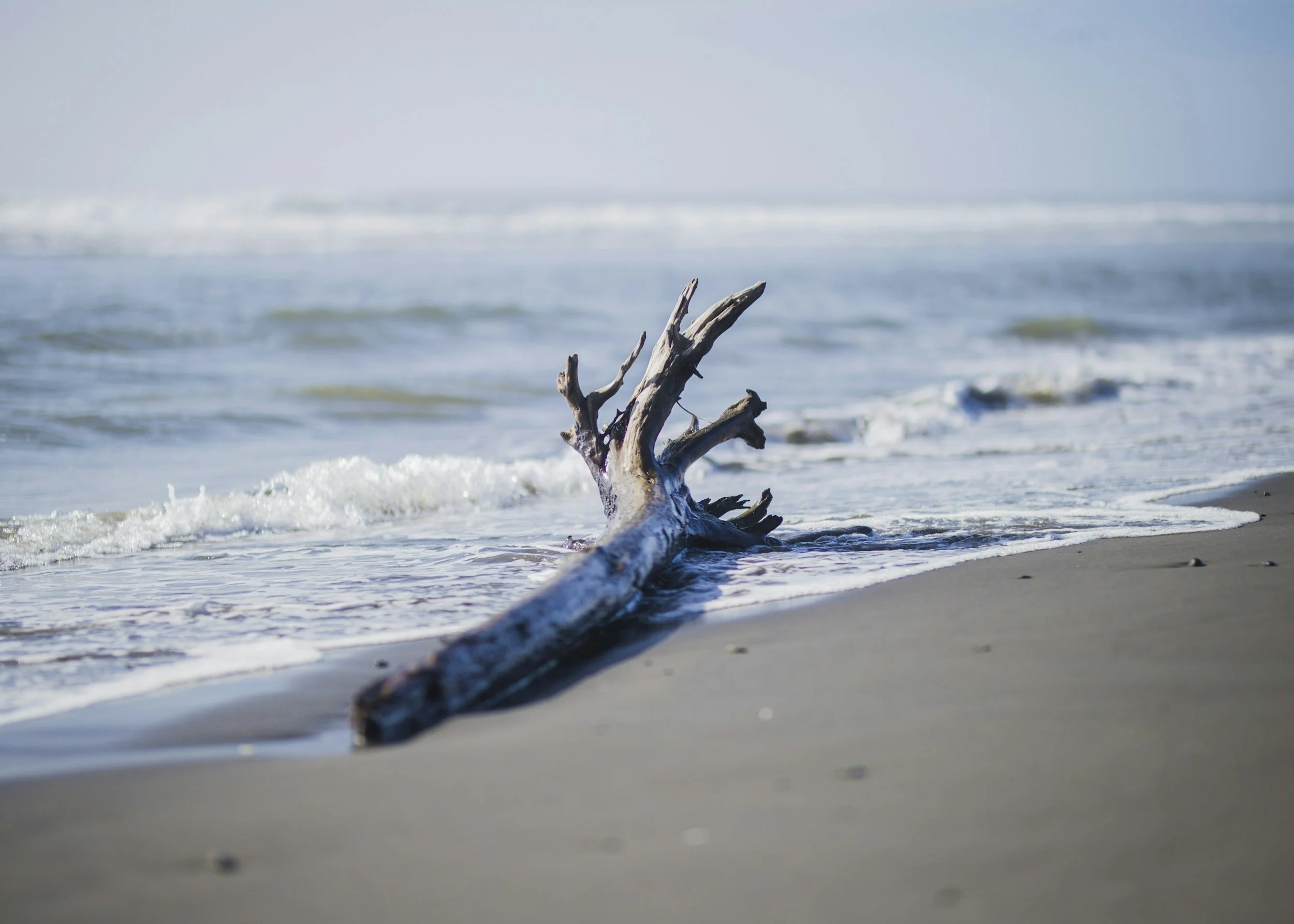
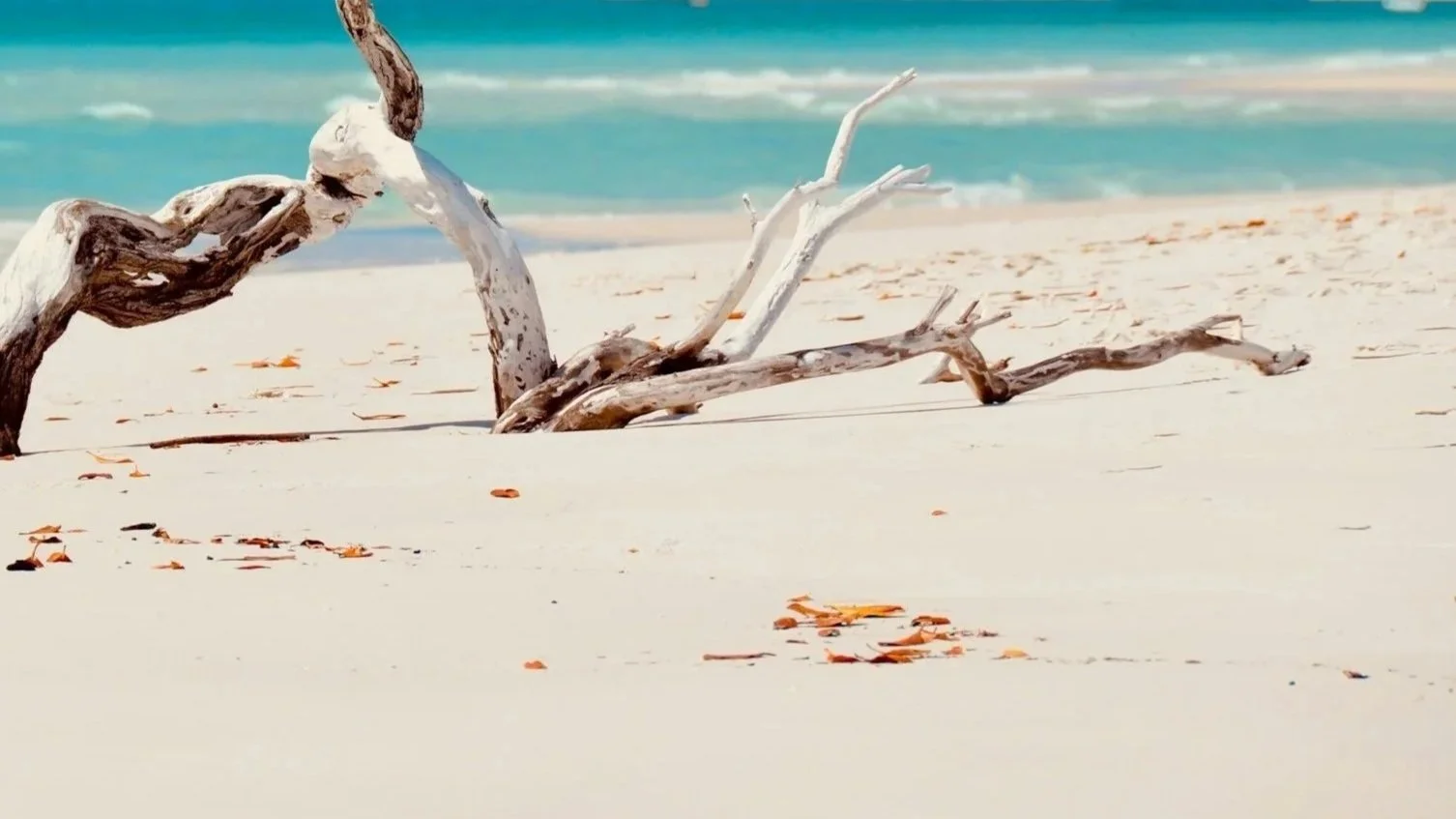
DRIFTWOOD - Nature’s Quiet Sculpture

Walk along the shoreline at Lola Sayong and you’ll notice pieces of driftwood scattered across the sand. At first glance, they may seem ordinary—just remnants carried by the tide. But pause, and you’ll see something deeper.

Driftwood is a storyteller. Each piece once stood tall, rooted in soil, reaching for the sky. Now, softened by saltwater and reshaped by waves, it arrives at the shore as a quiet sculpture. Its edges are worn smooth, its form transformed by the rhythm of the sea.

This is the beauty of driftwood: it teaches us that change is not loss, but renewal. What was once discarded becomes art. What was once broken becomes whole in a new way. At Lola Sayong, driftwood leans against palms, frames huts, or simply rests in the sand—reminding us that beauty is not always polished, but softened by journey.

To honor driftwood is to honor resilience. It is to see the poetry in imperfection, the artistry in surrender, and the quiet truth that nature wastes nothing.

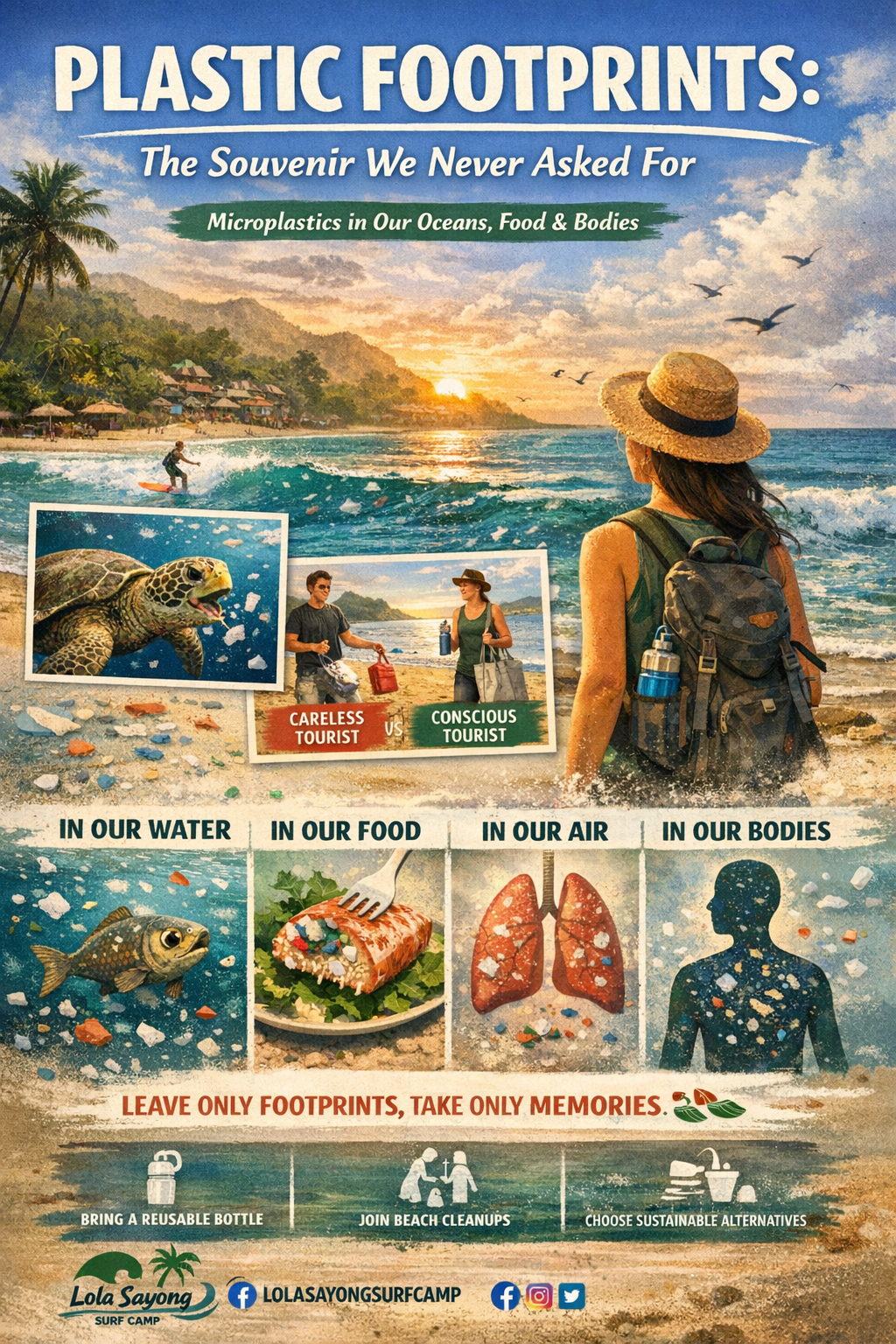
Souvenir We Never Asked For

EARTHLY TONE

The summer sun rises over Gubat’s shoreline, painting the waves gold. Tourists arrive with surfboards, laughter, and the promise of memories. Yet beneath the sparkle of the sea lies a silent intruder—microplastics—tiny fragments of our modern lives, drifting unnoticed but leaving a legacy we cannot afford to ignore.

The Hidden Souvenir

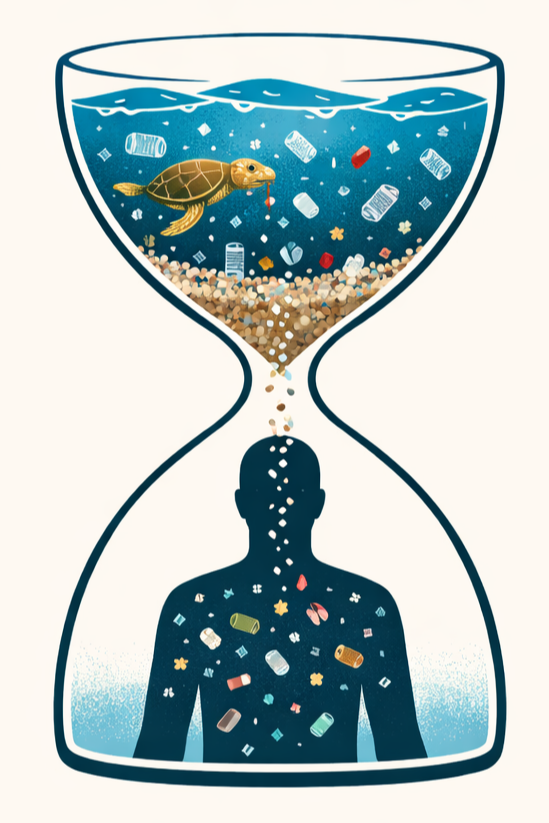
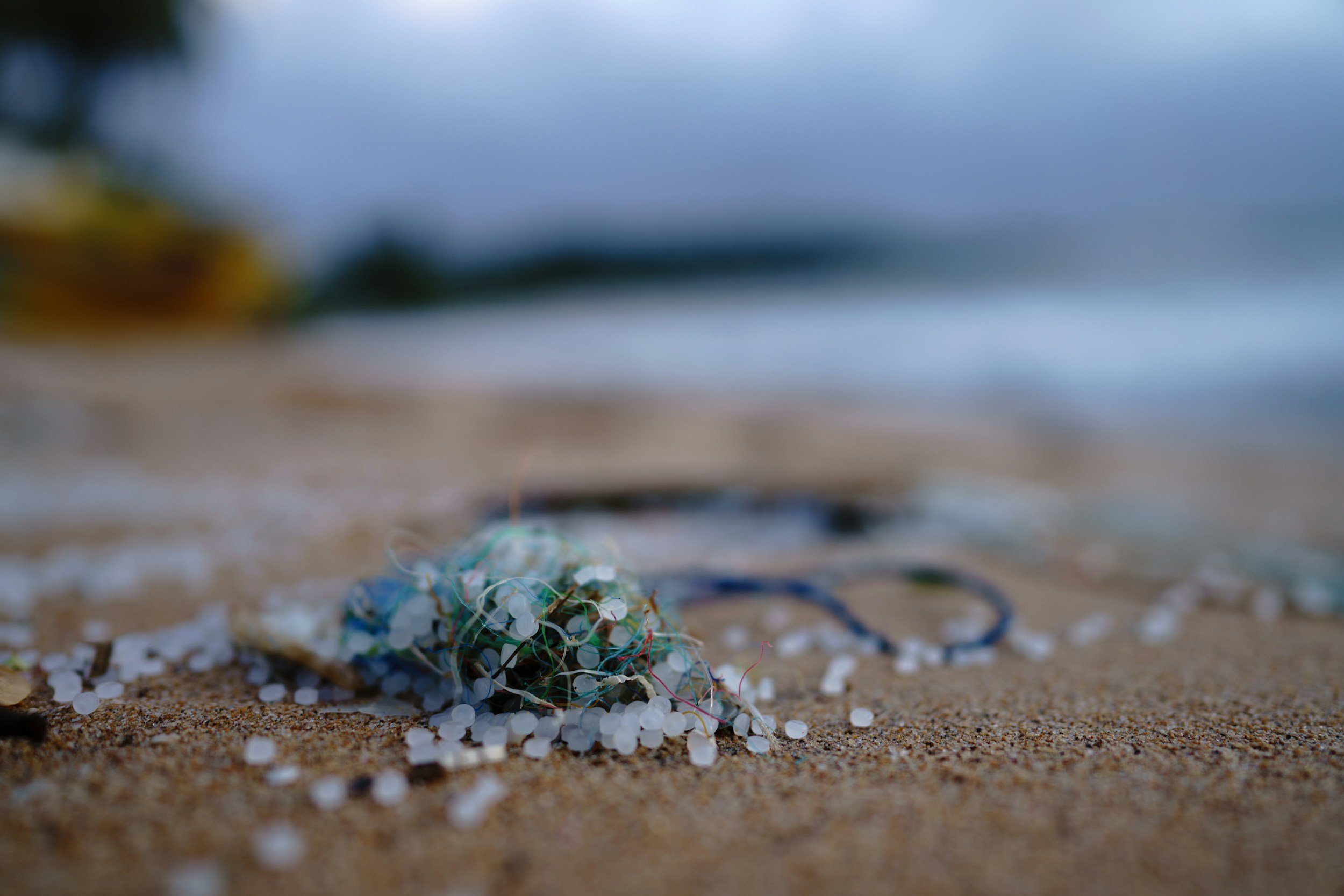
Unlike seashells or sand between your toes, microplastics are not the kind of souvenir anyone wants to take home. They are born from bottles, wrappers, fishing gear, and even the fibers of our swimwear. Too small to see, they slip into the ocean, lodge in coral reefs, and weave their way into the food chain.

Scientists have found microplastics in the most intimate places: human blood, lungs, and even breast milk. Every breath, every meal, every sip of water may carry traces of these invisible particles. The ocean’s burden has become ours.

---

Tourists and the Tide of Plastic

Tourism is a gift to communities like ours—it brings livelihood, joy, and connection. But it also brings plastic. Disposable water bottles, snack packaging, sunscreen tubes, and forgotten flip-flops often end up as waste. Left behind, they break down into microplastics that linger for centuries.

Every careless act—a straw tossed aside, a wrapper buried in sand—ripples outward. Fish mistake them for food. Turtles swallow them whole. And eventually, they return to us through the seafood on our plates.

---

Everyday Sources We Overlook

🏊 In Swimming & Recreation

- Synthetic swimwear (nylon, polyester, spandex) sheds fibers into pools and oceans.

- Goggles, snorkels, and pool toys release fragments as they wear down.

- Sunscreen bottles and packaging degrade under sun and saltwater.

🍳 In the Kitchen

- Plastic cutting boards shed shavings with every slice.

- Non-stick cookware (Teflon pans) release particles when scratched.

- Plastic containers and wraps break down under heat and repeated use.

- Synthetic sponges and microfiber cloths shed fibers during scrubbing.

These everyday items remind us: microplastics are not just an ocean problem—they are already in our homes, our air, and our bodies.

---

Turning the Tide: Responsible Tourism

At Lola Sayong, we believe tourism should be about connection, not contamination. This summer, we invite every visitor to leave only footprints, take only memories.

Here’s how you can help:

- Carry a reusable water bottle and refill at eco-stations.

- Say no to plastic straws and utensils—choose bamboo or metal alternatives.

- Pack snacks in reusable containers instead of single-use wrappers.

- Join our beach cleanups and help us turn the tide against plastic pollution.

A Legacy Worth Building

Imagine summers where children dig into clean sand, surfers ride plastic-free waves, and communities thrive on sustainable tourism. That vision is possible—if we act now.

Microplastics may be invisible, but our choices are not. Together, we can protect paradise and ensure that the only souvenirs we carry home are memories of joy, kinship, and stewardship. 🌍💙

Did you know

- Humans inhale 2,000–7,000 microplastic particles per day.

- Microplastics have been found in human blood, lungs, placenta, and breast milk.

- They’ve been detected from Mount Everest to the Mariana Trench.

- A single synthetic swimsuit can shed hundreds of fibers in one swim.

- Cutting boards and non-stick pans are among the largest kitchen sources of microplastics.