EARTHLY TONE
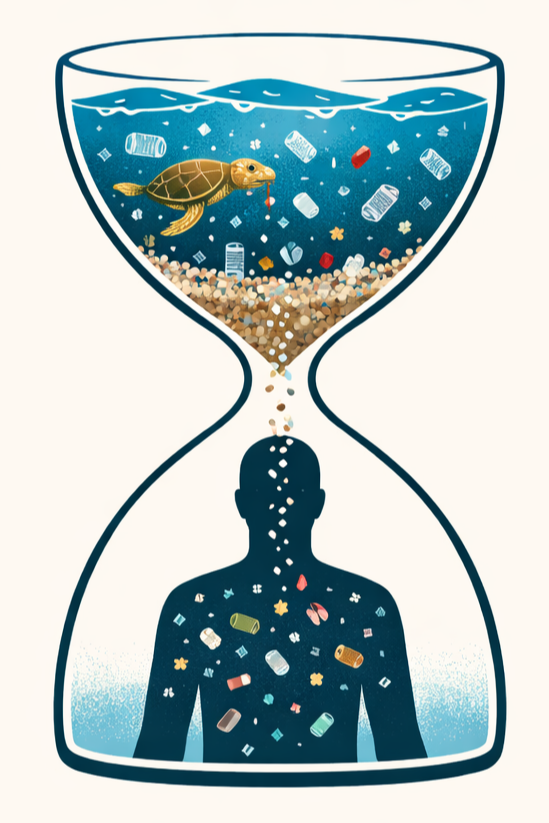
The summer sun rises over Gubat’s shoreline, painting the waves gold. Tourists arrive with surfboards, laughter, and the promise of memories. Yet beneath the sparkle of the sea lies a silent intruder—microplastics—tiny fragments of our modern lives, drifting unnoticed but leaving a legacy we cannot afford to ignore.
The Hidden Souvenir
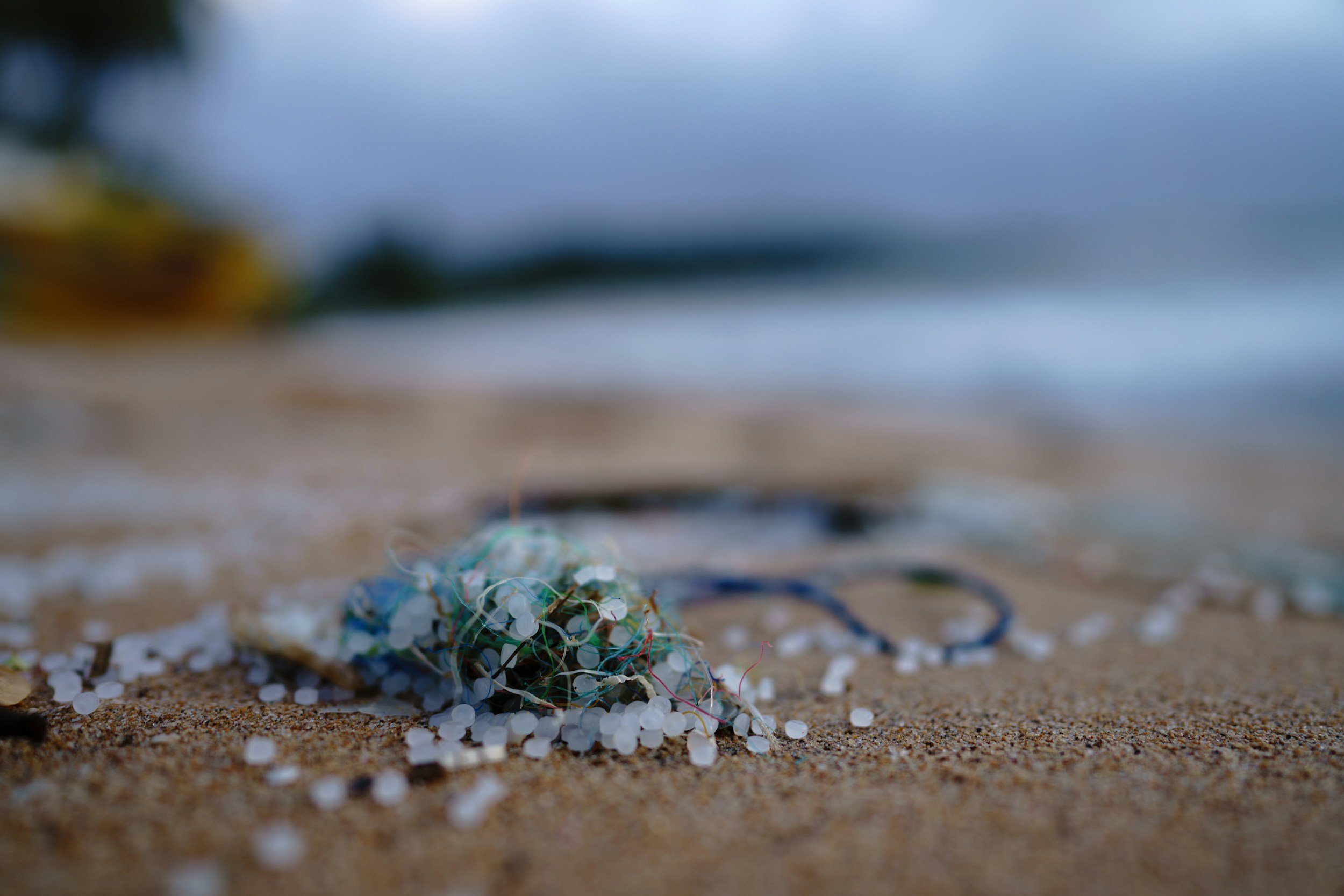
Unlike seashells or sand between your toes, microplastics are not the kind of souvenir anyone wants to take home. They are born from bottles, wrappers, fishing gear, and even the fibers of our swimwear. Too small to see, they slip into the ocean, lodge in coral reefs, and weave their way into the food chain.
Scientists have found microplastics in the most intimate places: human blood, lungs, and even breast milk. Every breath, every meal, every sip of water may carry traces of these invisible particles. The ocean’s burden has become ours.
---
Tourists and the Tide of Plastic
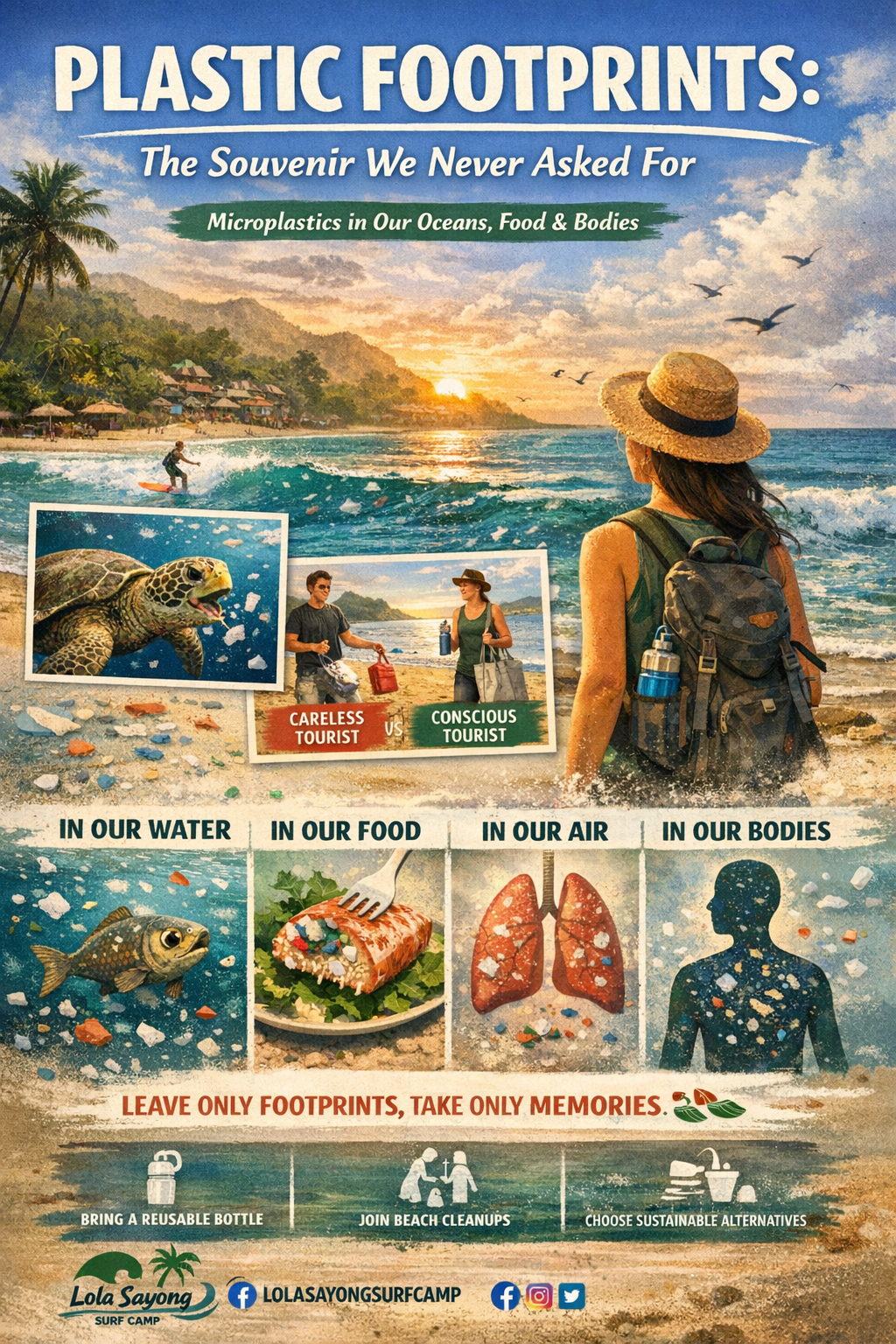
Tourism is a gift to communities like ours—it brings livelihood, joy, and connection. But it also brings plastic. Disposable water bottles, snack packaging, sunscreen tubes, and forgotten flip-flops often end up as waste. Left behind, they break down into microplastics that linger for centuries.
Every careless act—a straw tossed aside, a wrapper buried in sand—ripples outward. Fish mistake them for food. Turtles swallow them whole. And eventually, they return to us through the seafood on our plates.
---
Everyday Sources We Overlook
🏊 In Swimming & Recreation
- Synthetic swimwear (nylon, polyester, spandex) sheds fibers into pools and oceans.
- Goggles, snorkels, and pool toys release fragments as they wear down.
- Sunscreen bottles and packaging degrade under sun and saltwater.
🍳 In the Kitchen
- Plastic cutting boards shed shavings with every slice.
- Non-stick cookware (Teflon pans) release particles when scratched.
- Plastic containers and wraps break down under heat and repeated use.
- Synthetic sponges and microfiber cloths shed fibers during scrubbing.
These everyday items remind us: microplastics are not just an ocean problem—they are already in our homes, our air, and our bodies.
---
Turning the Tide: Responsible Tourism
At Lola Sayong, we believe tourism should be about connection, not contamination. This summer, we invite every visitor to leave only footprints, take only memories.
Here’s how you can help:
- Carry a reusable water bottle and refill at eco-stations.
- Say no to plastic straws and utensils—choose bamboo or metal alternatives.
- Pack snacks in reusable containers instead of single-use wrappers.
- Join our beach cleanups and help us turn the tide against plastic pollution.
A Legacy Worth Building
Imagine summers where children dig into clean sand, surfers ride plastic-free waves, and communities thrive on sustainable tourism. That vision is possible—if we act now.
Microplastics may be invisible, but our choices are not. Together, we can protect paradise and ensure that the only souvenirs we carry home are memories of joy, kinship, and stewardship. 🌍💙
Did you know
- Humans inhale 2,000–7,000 microplastic particles per day.
- Microplastics have been found in human blood, lungs, placenta, and breast milk.
- They’ve been detected from Mount Everest to the Mariana Trench.
- A single synthetic swimsuit can shed hundreds of fibers in one swim.
- Cutting boards and non-stick pans are among the largest kitchen sources of microplastics.
